|
Historical Roots & Cultural Significance
Black Americans have a long-standing history of expressing their identity and cultural heritage through their hair. For centuries, hairstyles such as braids, locks (locs), and other natural styles have served as powerful symbols of cultural pride, social status, spiritual beliefs, and resistance against Western beauty standards.
Ancient Africa :Many of the styles we associate today with Black Americans originate from Africa, where hairstyles like braids, cornrows, and locs date back thousands of years. These styles often conveyed messages about tribe, social status, age, marital status, and even personal stories.
The Transatlantic Influence: Enslaved Africans brought their hairstyles with them to America, where they often faced oppressive aesthetics standards. Despite this, hair continued to be an important mode of cultural expression and resistance.
The Rise of Braids and Locks in America
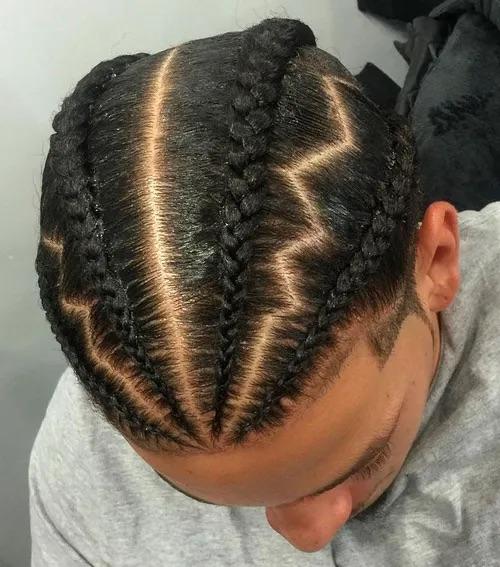
Braids: Braiding has been a vital part of African culture and was preserved in African American communities as a testament to cultural resilience. During slavery, braid styles sometimes functioned as coded messages or practical styles for maintaining hair in challenging conditions.
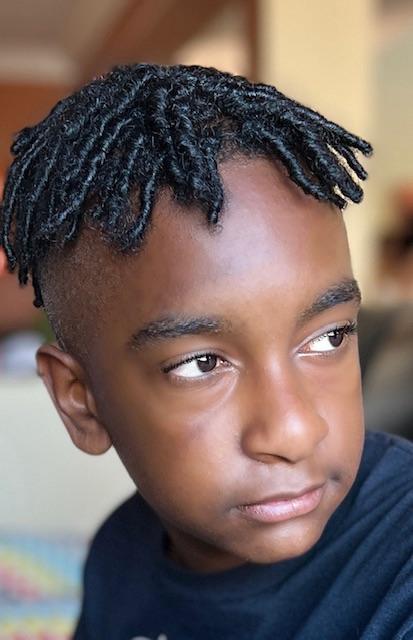
Locks/Locs The tradition of locking hair has ancient origins across Africa and the Caribbean. During the Civil Rights Movement and beyond, wearing locs became a symbol of Black pride, spiritual connection, and liberation. Locs have grown in popularity as a statement of embracing natural hair.
|